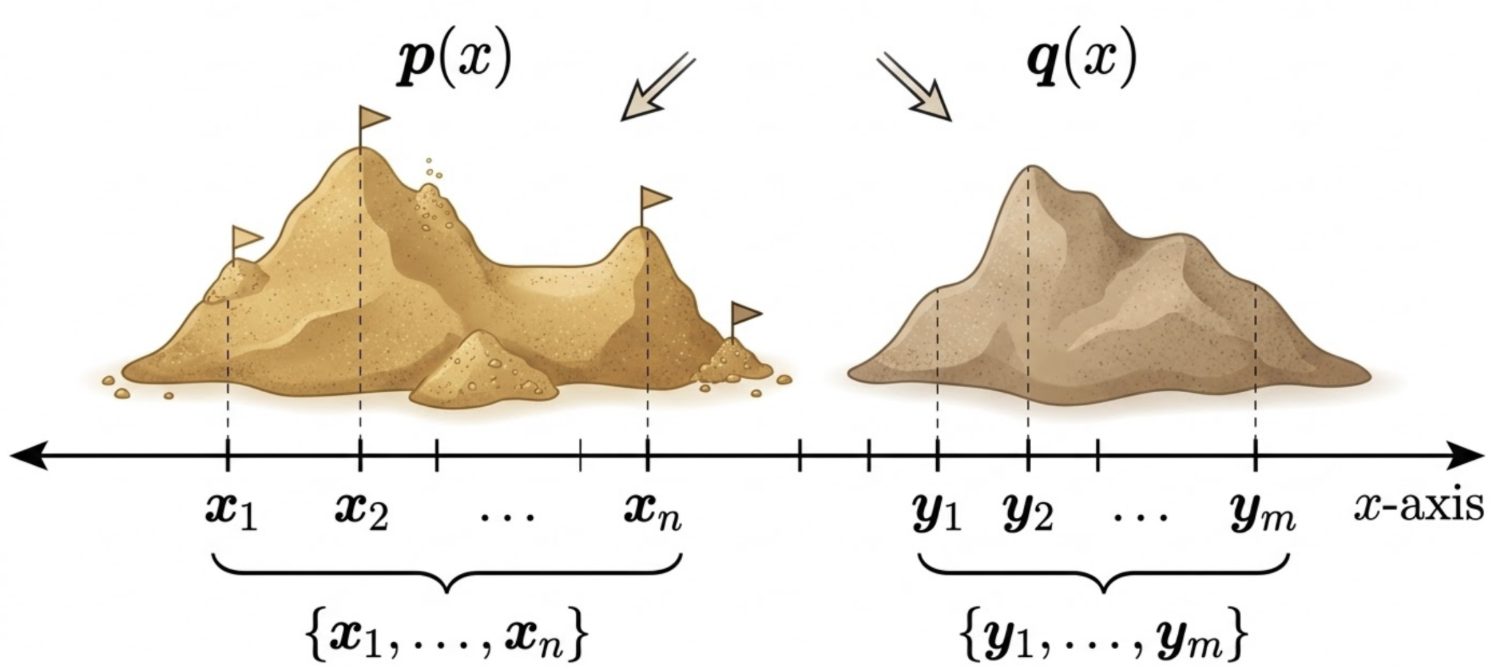
Comparative Analysis of Neural Population Codes#
This website serves as a central hub of Google CoLab jupyter notebook tutorials on different metrics to compare neural representations.
While notebooks should be self-contained or contain references to required background material, they’re designed to complement the COSYNE 2026 Tutorial: Comparative Analysis of Neural Population Codes. Links to the lecture recordings will be posted here once they are available!
Authors: Alex Williams, Sarah Jo Venditto, Grant Zempolich, & Pierre-Etienne Fiquet
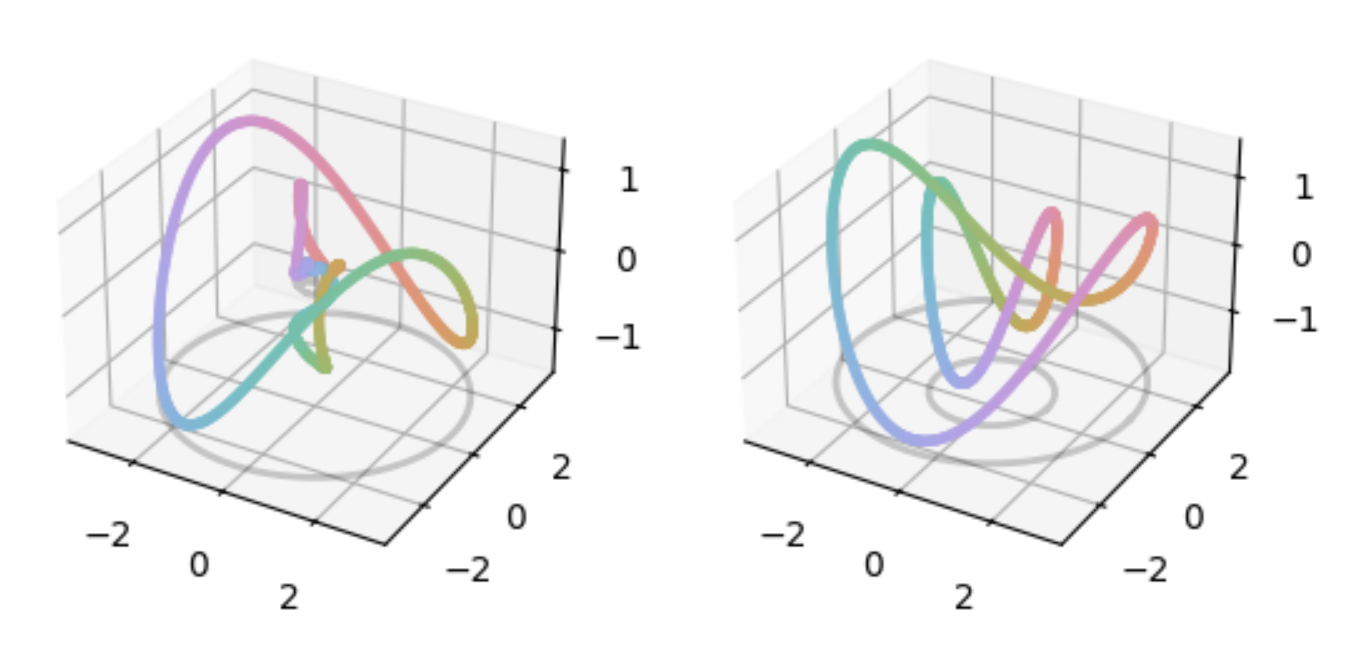
Build conceptual and mathematical intuition of Procrustes distance and it’s extension to linear invariance.
Authors: Alex Williams, Sarah Jo Venditto, & Shujun Xiong
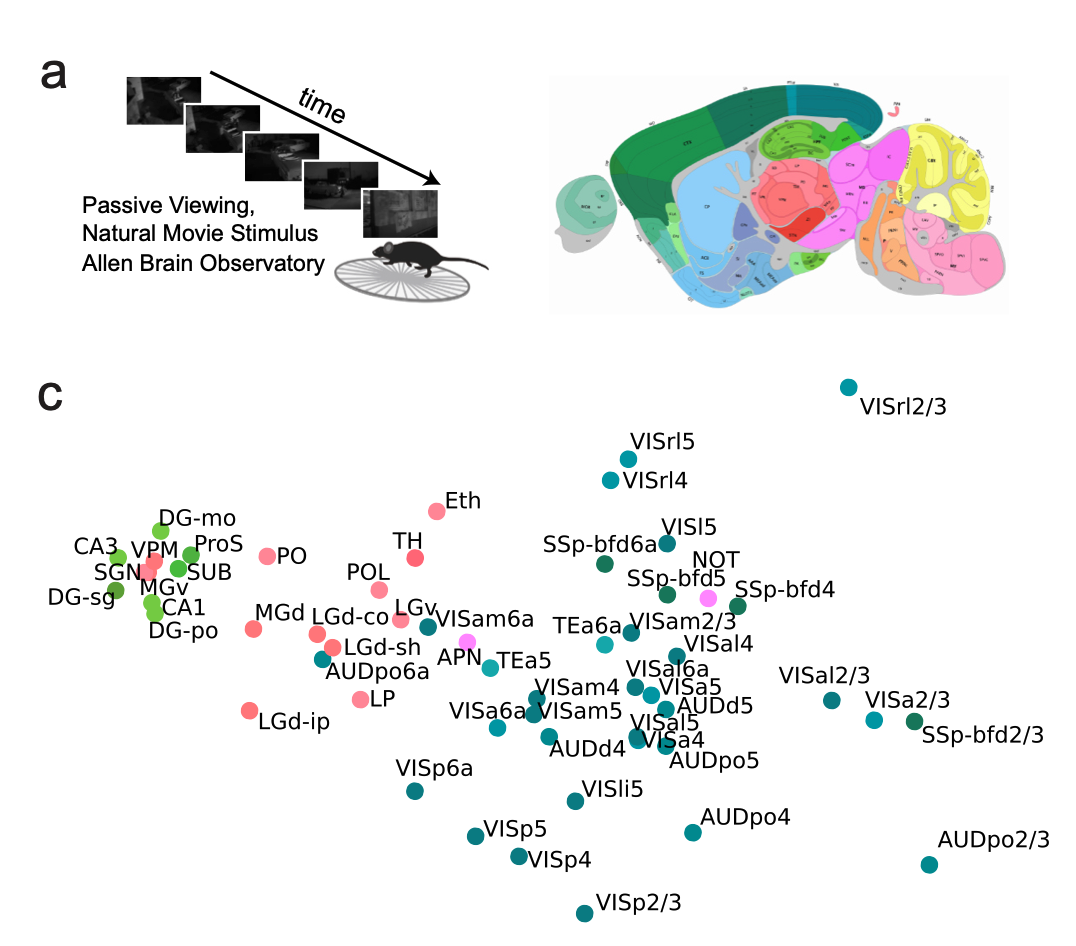
Demonstrate how Procrustes distance can be used on real data: computing neural similarity between brain regions and animals using data available through AllenSDK.
Author: Alex Williams
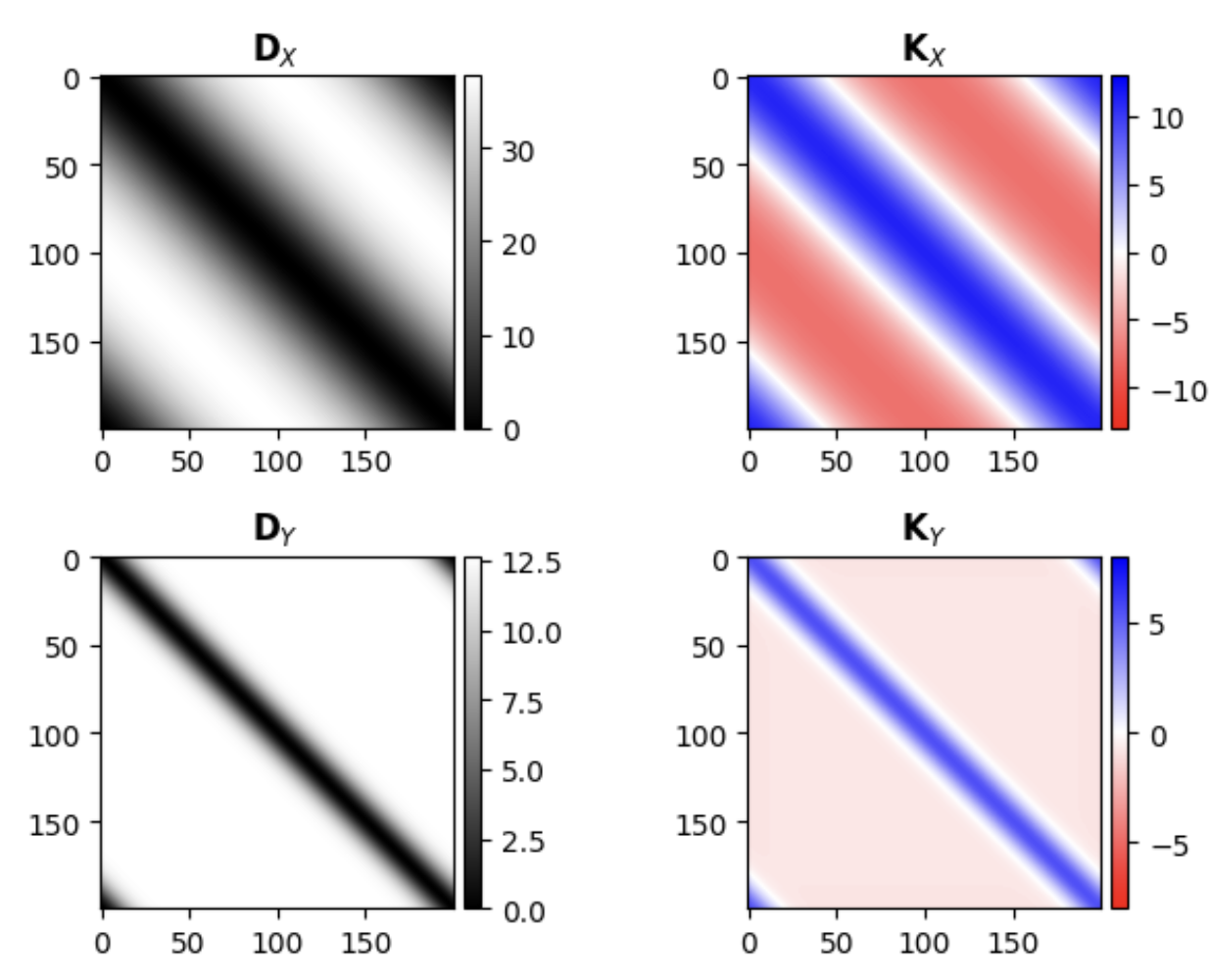
Build mathematical intuition of RSA and CKA, understand conditions under which they are equivalent, and show how these metrics are related to Procrustes distance.
Author: Chaitanya Kapoor
Soft-matching and partial soft-matching: Extend Procrustes distance to situations when 1-to-1 matches between neurons is not possible or feasible.